





Red light therapy: recovery hack or expensive mood lighting?

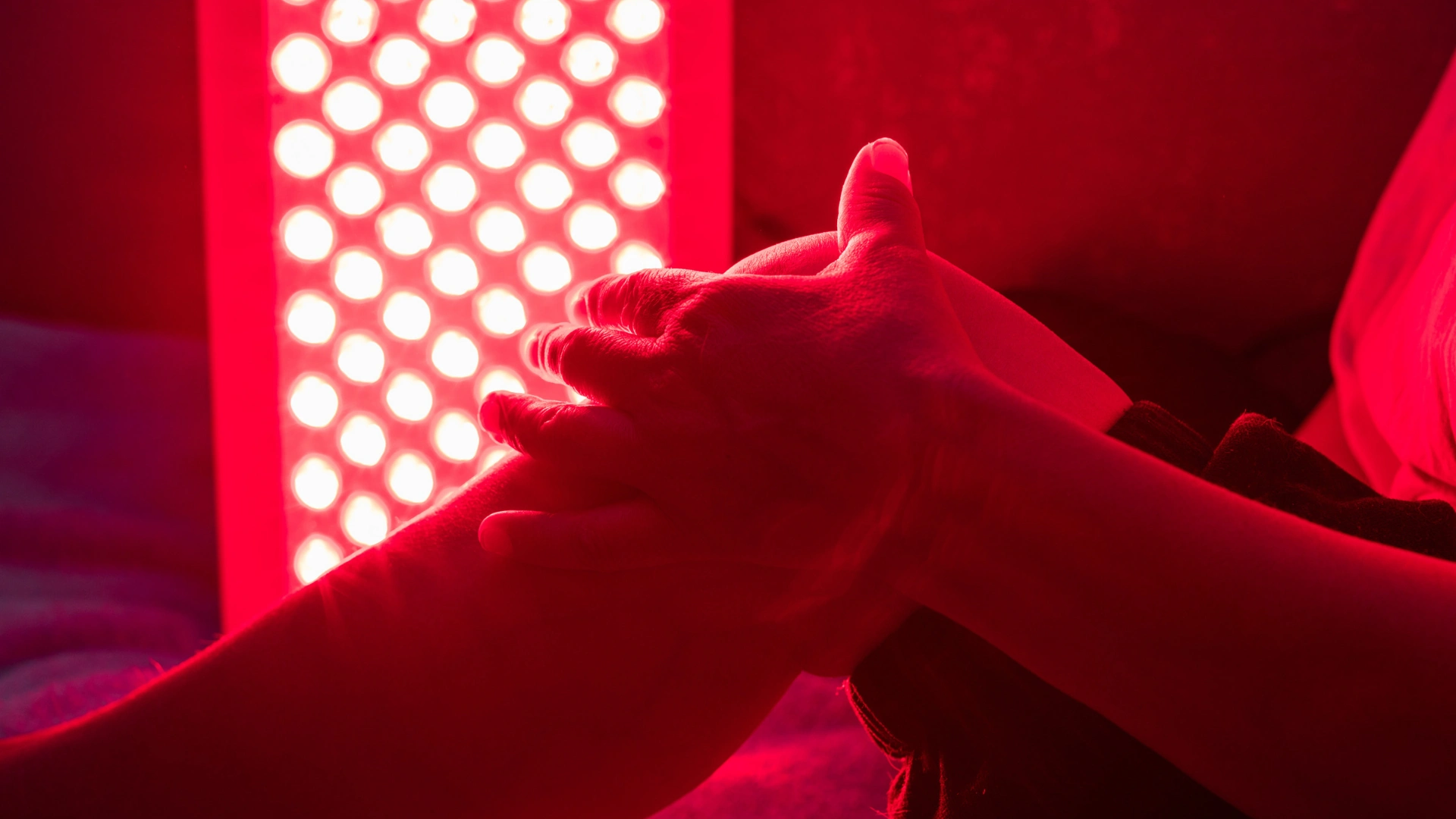


Red light therapy has become part of the modern recovery aesthetic. You see it in gyms, beauty clinics and polished videos of people standing in front of glowing panels. The message is tempting: a few minutes of light could speed up recovery, reduce soreness and keep you training at your best.
It might seem more scientific than it actually is.
Red light and near-infrared light are forms of photobiomodulation. Researchers are studying how particular wavelengths and doses may affect tissues. That is a real area of research. It is also an area where the marketing often runs ahead of the results.
Why the studies are hard to compare
A red-light panel is not one standard treatment. Studies use different wavelengths, power levels, distances, treatment times, devices and exercise routines. Some look at soreness, some at strength, some at skin outcomes, and some at laboratory measures. That makes it difficult to turn a promising study into a simple shopping recommendation.
A whole-body review published in 2025 found only five studies in active adults, covering 105 participants in total. The authors described the evidence as preliminary. A muscle-soreness review found low-certainty evidence that photobiomodulation before exercise may reduce muscle soreness.
Those words signal a small or uncertain effect. A panel may make no noticeable difference for many people, workouts or devices.
Keep recovery basics in view
Recovery depends on training, food, rest and daily life fitting together well enough for your body to adapt.
A device cannot make up for regularly sleeping too little, training through injury, skipping meals, suddenly doubling your activity or never taking an easier day. It cannot diagnose a painful joint or turn exhaustion into fitness.
If you are considering red light therapy, start by being clear about the problem you want to solve. Is it ordinary post-exercise soreness? A recurring pain? Poor sleep? A performance plateau? Those are different situations. Persistent pain, swelling, weakness or symptoms that affect daily life deserve proper assessment.
The risk of chasing the extra 1%
Cost is one downside. A new device can pull attention towards tiny possible gains and away from the habits with a much bigger payoff.
For most people, useful recovery looks unglamorous: build training up gradually, include rest days, eat enough, drink to thirst, sleep regularly and choose movement you can repeat. If something hurts in a way that feels wrong, listen to it early.
If you still want to try a device, keep expectations modest. Read the safety instructions, protect your eyes if the manufacturer advises it, do not use it as a treatment for a medical problem without professional guidance, and judge it against a simple question: is this genuinely helping me feel or function better?
Keep expectations realistic
Red light therapy has early but limited evidence. Results vary by device, treatment protocol and the question being asked. Put your time and money into the basics first, then treat any device as an optional experiment after you have built a sustainable training plan.
Similar articles
Get updates from us


