





.svg)

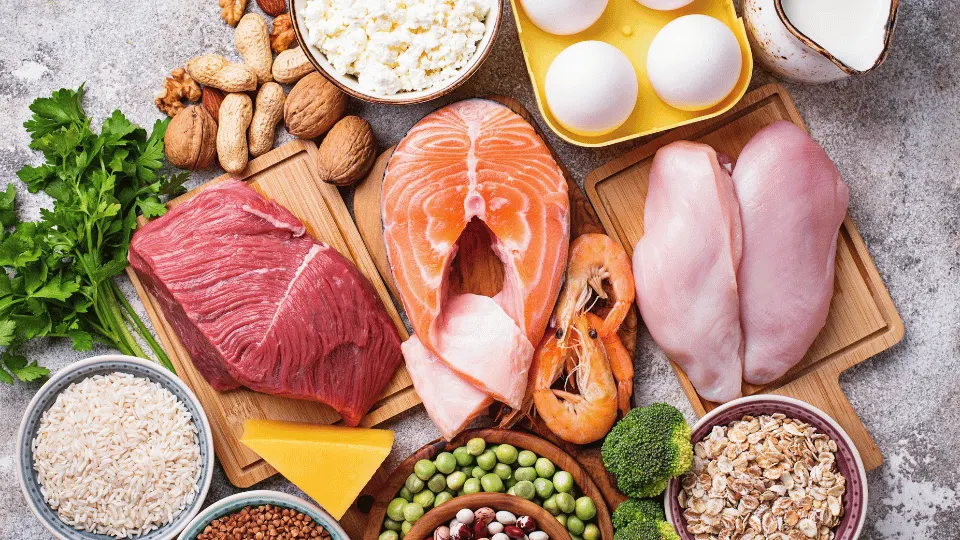


Protein has become a selling point on everything from breakfast cereal to snack bars. Alongside that, advice about daily targets can vary widely. One person recommends a shake after every workout; another suggests tracking every gram.
If you have tried adding more protein, that is an understandable response to a lot of confident advice. A useful next step is to work out what those numbers mean and whether they fit your circumstances.
Treat the reference intake as a starting point
Protein provides building materials that the body uses to maintain and repair tissues, including muscle. We need a regular supply from food, and the amount that suits one person may differ from another's.
The European Food Safety Authority's adult reference intake is 0.83 grams of protein per kilogram of body weight each day. For a healthy adult weighing 70 kg, that works out at about 58 grams.
This figure is best read as a baseline. It is designed to meet the basic needs of nearly all healthy adults. It was not designed to describe the amount that best supports muscle, recovery or healthy ageing. The EFSA also notes that some physically active, healthy adults in Europe regularly eat twice this amount from ordinary mixed diets, and it considers that level safe.
Know when your needs may be higher
Several groups of people are likely to benefit from more than the baseline.
Getting older. Keeping muscle becomes harder with age. For people over 65, the PROT-AGE study group recommends an average of at least 1.0 to 1.2 g/kg a day to help maintain and regain muscle and function. It advises 1.2 g/kg or more for older adults who exercise or are otherwise active. The benefit appears clearest when extra protein goes hand in hand with regular movement.
Losing weight. A review of weight management trials linked intakes of 1.2 to 1.6 g/kg with improvements in appetite, weight management and heart health markers, and with more lean mass kept during weight loss. The short-term evidence is stronger than the long-term evidence.
Training regularly. People who exercise often have higher needs too, which the next section explains.
Put training advice in context
People who exercise regularly may need more protein. For most active people, around 1.4 to 2.0 g/kg per day is considered enough to support muscle growth and maintenance.
Extra protein can help, but the effect is usually small. Research suggests it works best when combined with resistance training. Simply eating more protein without training does not appear to provide the same benefit.
The takeaway is simple: protein and training work together. Aim to get enough protein for your needs, but more is not always better, and every workout does not need a protein shake.
Find your broad range
Use this as a self-check, not a prescription. Choose the description that fits you most weeks, then multiply your weight in kilograms by both numbers in the range.
- Healthy adult, mostly light activity: 0.8–1.0 g/kg (56–70 g at 70 kg)
- Aged 65 or over: 1.0–1.2 g/kg (70–84 g at 70 kg)
- Working towards weight loss: 1.2–1.6 g/kg (84–112 g at 70 kg)
- Regular strength training or a high training load: 1.4–2.0 g/kg (98–140 g at 70 kg)
If more than one row fits, such as being over 65 and strength training, the higher range is a reasonable guide. If you live in a larger body and are aiming to lose weight, working from your current weight may overstate what you need, and a dietitian can help you choose a sensible figure.
These ranges are for adults. Pregnancy, breastfeeding and anyone under 18 have different reference values. If you have a kidney condition or have been advised to limit protein, follow your care team's guidance. This article offers general wellbeing information, not medical advice.
Look at the meals you already eat
Before buying anything, take a brief look at a normal day's meals. Where does protein already appear? Eggs, yoghurt, milk, fish, meat, beans, lentils and soy foods can all contribute.
Then look for a meal that feels difficult to put together or leaves you relying on snacks. Could you add lentils to a soup, tofu to a stir-fry or yoghurt alongside breakfast? Choose foods you enjoy and can afford. Different eating patterns can include these options in different ways. A protein powder or ready-made drink may be convenient when time, appetite or access to food makes meals difficult. It can be one option. Compare its cost and ingredients with foods you already use, and check whether it fills an actual gap.
You can use labels for a rough check if that helps. Compare the amount of protein in the portion you actually eat, because serving sizes differ between products. There is little value in comparing one tiny serving with another product's much larger one.
Keep the rest of the meal in view too. A useful diet also makes room for vegetables, fruit, whole grains and fats. A "high protein" label tells you about one nutrient; it cannot describe the whole food or your whole day.
Use the food logger to spot patterns
If you would like a clearer picture without weighing anything, our food logger can help. Snap a photo of your meal and it will recognise what is on the plate and estimate the portion.
Check the result before you save it. If an ingredient is missing or the portion does not match what you actually ate, edit it. Those two details make the estimate far more useful.
When a meal contains more than 10 grams of protein, the protein block on your meal card fills with colour. After a few days, you can see which meals already include a good source and which might suit a small addition.
The nutrition tab in your Health Wallet shows your daily intake over time, so you can compare it with your range. A week tells you more than any single day, so there is no need to get every meal right. Treat the numbers as a guide, not a score to chase.
Start with one ordinary meal and one manageable change. The goal is simply to add enough protein to support your needs; aim to make the smallest necessary change to consume a sufficient source of protein in each main meal.
Similar articles
Get updates from us
.svg)


